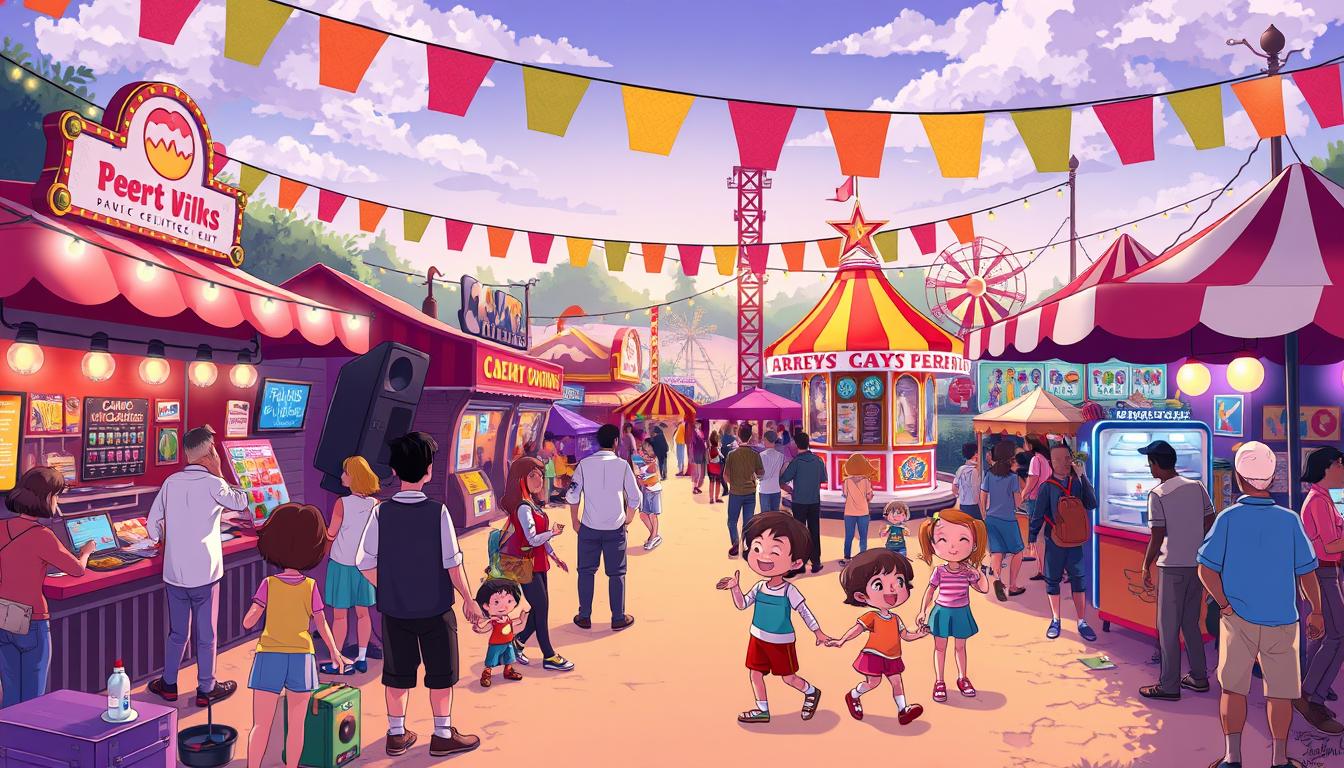
Why do some entertainment and recreation businesses shine online, while others struggle? The secret is in using smart Marketing For Entertainment & Recreation strategies. These strategies use online tools to reach out to people. With short attention spans and lots of competition, digital marketing for events is key.
Creating a unique value proposition and using engagement strategies are crucial. Every choice affects how visible and engaging your business is. Without these, you might miss out on important connections and money-making chances. A solid digital marketing plan can boost your brand and customer interaction, leading to more success in the entertainment and recreation fields.
Key Takeaways
- Understanding your target audience is crucial for effective marketing strategies.
- Leveraging social media platforms can significantly enhance engagement and lead generation.
- Crafting a unique value proposition sets businesses apart in a crowded market.
- Email marketing offers a high return on investment, making it a powerful tool for engagement.
- Implementing SEO strategies is essential for improving visibility and attracting organic traffic.
- Hosting events can create memorable experiences and deepen connections with audiences.
- Analyzing industry trends keeps businesses informed and adaptable to changing market dynamics.
Understanding Your Target Audience
Marketing in entertainment and recreation needs a deep understanding of the audience. This starts with analyzing the target audience. We look at age, gender, where they live, and what they like. This helps businesses create marketing that speaks to their audience.
Identifying Key Demographics
Knowing who your customers are is key. Businesses should group their audience by important traits:
- Age: Different ages have different likes and how they engage.
- Gender: Marketing can be better if it’s tailored for men and women.
- Location: Being close to where things are can affect how much people participate.
- Interests: Knowing what people enjoy helps in making things more personal.
Analyzing Consumer Behavior
It’s important to understand consumer behavior trends. Knowing how people spend their money is key to success. Different groups have different likes, which affects what messages work best. Young people often use Instagram and TikTok, while older folks might prefer traditional media.
Creating Customer Personas
Creating detailed customer personas helps marketing. It combines data from audience analysis to make profiles for different groups. These profiles show what people like, value, and do, helping tailor messages and offers. Surveys, focus groups, and social media can help keep marketing on track.
Crafting a Unique Value Proposition
Creating a strong unique value proposition is key for entertainment and recreation businesses. They must show what makes them stand out in a crowded market. This helps them attract a loyal audience.
Differentiating from Competitors
To differentiate your offerings, analyze your competitors. Look at what they offer and find gaps. Then, highlight your brand’s unique features or benefits, like exclusive events or special amenities.
By focusing on these unique experiences, brands make a lasting impression. They not only grab attention but also build loyalty.
Highlighting Unique Experiences
Marketing should focus on unique experiences that customers want. This could be exclusive activities, tailored services, or special amenities. The Jacksonville Jaguars, for example, invested in making game day experiences better.
They added large scoreboards, high-end audio systems, and new stadium sections. These changes make the event unforgettable for fans.
Using customer feedback in marketing strengthens your unique value proposition. Testimonials and case studies show real satisfaction. This builds trust and credibility. It can turn customers into brand advocates.
| Unique Recreational Experience | Key Features | Competitive Differentiation |
|---|---|---|
| Everbank Stadium Experience | Large scoreboards, entertainment zones, party cabanas | Unmatched engagement and inclusivity on game days |
| Country Club Membership | Luxurious amenities, networking opportunities, personalized service | Exclusive yet welcoming environment for social interaction |
| Exclusive Events | Special access, unique activities, tailored experiences | Creates a sense of privilege and special connection |
Building an Engaging Brand Identity
A strong brand identity is crucial for any business in recreation and entertainment. It helps create recognition and builds an emotional bond with the audience. Key to this are a memorable logo and consistent marketing messages.
Developing a Memorable Logo
The first step is to create a memorable logo. This visual mark is the brand’s face, making it instantly recognizable. A good logo captures the business’s essence and connects with the audience.
Adding elements that show the brand’s values makes the logo meaningful and appealing.
Consistent Brand Messaging
Keeping marketing messages consistent is vital for building trust and loyalty. Every piece of content should match the brand’s voice and mission. This ensures a unified experience for customers.
Businesses should tell stories that are authentic and inclusive. This appeals to younger audiences who value these qualities.
| Branding Element | Importance | Impact on Audience |
|---|---|---|
| Logo Design | Creates immediate recognition | Affects emotional connection |
| Brand Messaging | Builds trust and loyalty | Encourages customer engagement |
| Visual Consistency | Strengthens brand perception | Fosters brand recall |
Leveraging Social Media Platforms
Social media is key for connecting and getting noticed in the entertainment and recreational fields. It’s important to pick the right platforms for your audience. Knowing where your audience is online can really help your marketing.
Choosing the Right Channels
Each social media site attracts different people. Facebook is great for older folks, while Instagram and Snapchat are better for the young. Here’s a chart showing where sports fans like to get their sports news:
| Platform | Percentage of Fans Accessing Sports Content |
|---|---|
| 51% | |
| YouTube | 46% |
| 31% | |
| 25% |
Creating Engaging Content
Good content is crucial for marketing success. Use cool visuals, fun posts, and real stories to connect with people. For example, Instagram is great for sharing amazing moments that grab people’s attention.
Utilizing Influencer Partnerships
Working with influencers is a smart way to grow your audience. Choose influencers who match your brand to build trust. This partnership can really boost your marketing.
For better online presence, learn about these strategies. Also, check out SEO tips to boost your digital efforts. For more info, see this SEO guide for caterers.
Designing Effective Marketing Campaigns
Creating impactful marketing campaigns needs a clear plan. This plan includes setting goals, budgeting, and measuring performance. These steps help make sure your campaigns hit the mark with your audience and get the results you want.
Setting Clear Objectives
Starting with clear goals is key to any marketing plan. Goals can range from boosting event attendance to getting new leads. Having specific, measurable targets helps focus marketing efforts and check their success over time.
Budgeting and Resource Allocation
Smart budgeting is crucial for using resources well. It’s wise to set aside a part of your revenue for marketing. A common range is 5-10% of revenue, based on your industry. This way, you can spread your budget across different channels, creating a strong presence that draws in customers.
Measuring Campaign Success
After launching campaigns, it’s important to measure how they’re doing. Using analytics tools gives you insights on what’s working and what’s not. By watching key metrics like website visits, engagement, and sales, you can tweak your strategies for better results.
| Campaign Element | Importance | Recommended Actions |
|---|---|---|
| Clear Objectives | Guide campaign direction | Define measurable goals |
| Budgeting | Ensure efficient resource use | Allocate funds to key channels |
| Performance Measurement | Evaluate campaign effectiveness | Utilize analytics to track KPIs |
For more on budgeting, check out this resource.
Utilizing Content Marketing
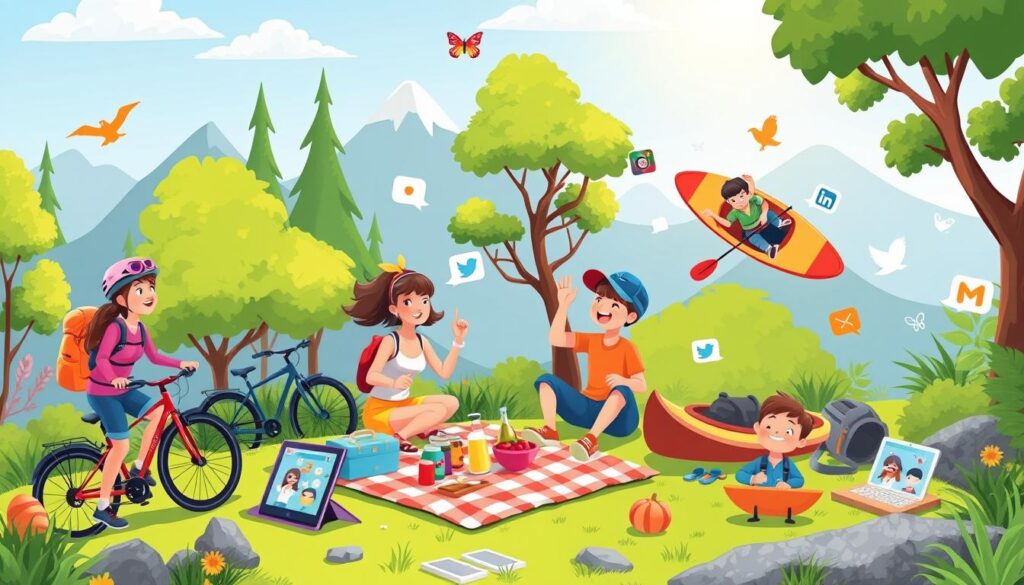
Content marketing is key for entertainment and recreation businesses. It helps attract and keep audiences. By using engaging content, businesses can grab users’ attention and boost their online presence. Knowing the different content types is crucial for a strong marketing plan.
Types of Content for Engagement
Businesses can connect with their audience through various content types. These include:
- Blog posts
- Videos
- Infographics
- Podcasts
- Downloadable eBooks
Each type has its own way of engaging people, reaching them on different platforms. Posting content daily can make your strategy better. It keeps people coming back for more and encourages them to interact more.
SEO Best Practices for Entertainment
SEO is vital for recreational businesses to make their content visible. Key practices include:
- Using relevant keywords in content
- Creating content that people want to share
- Optimizing titles and meta descriptions for search engines
- Adding internal and external links
Setting clear goals in your content strategy is important. This could be to increase website traffic or social media followers. Tracking metrics like user engagement and sales helps see if your strategy is working. This leads to better marketing results.
| Content Type | Engagement Level | Best Use Case |
|---|---|---|
| Blog Posts | High | Informative articles targeting SEO |
| Videos | Very High | Demonstrating products or experiences |
| Infographics | Moderate | Simplifying complex information |
| Podcasts | High | Engaging storytelling and interviews |
| eBooks | Moderate | Lead generation for in-depth insights |
Hosting Events and Experiences
Creating memorable experiences through successful events requires careful planning and execution. As organizations focus more on event management for entertainment, it’s become key. Successful events build brand loyalty and connect communities, especially with local artists.
Planning Successful Events
When organizing engaging community events, several key elements must be addressed:
- Define Target Audience: Understanding the demographic profile helps in tailoring the event to suit participants’ interests.
- Set SMART Goals: Establish specific, measurable, achievable, relevant, and time-bound goals to gauge the event’s success.
- Budget Wisely: Allocate funds for venue rental, food and drinks, entertainment, and marketing to ensure all expenses are covered.
- Choose the Right Venue: Select a location that complements the event theme, such as parks or outdoor venues.
The importance of logistics cannot be overstated. Planning logistics, from setup to breakdown, ensures smooth event flow and enhances the audience experience.
Collaborating with Local Artists
Involving local artists for entertainment significantly enriches events while drawing in larger crowds. Local artists collaboration creates a vibrant atmosphere and showcases regional talent. The community benefits not only from entertainment but also from a deeper cultural connection.
Activities such as live performances and workshops can further engage attendees, making the event memorable and unique.
Ultimately, successful event management for entertainment relies on blending compelling activities, effective planning, and community involvement to craft experiences that resonate with audiences.
Implementing Email Marketing Strategies
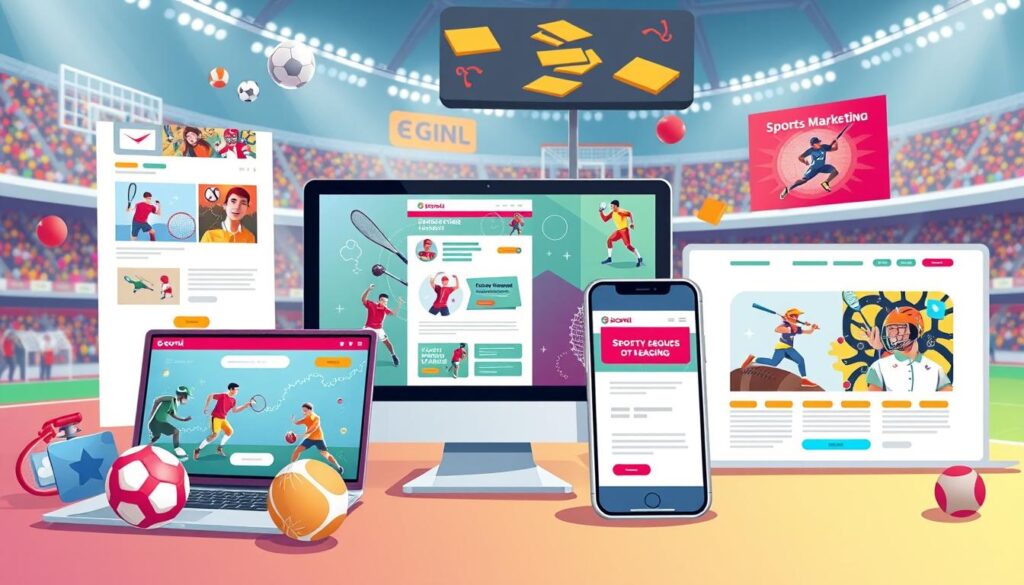
Email marketing is key for sports leagues to reach people well. It’s important to build a targeted email list. This way, messages get to the right people, boosting ticket sales and brand awareness.
Building a Targeted Email List
To make a good email list, segment subscribers by location, interests, and past actions. Using targeted email strategies makes campaigns more relevant and effective. Get quality leads by using forms at events or on websites. Keeping a good opt-in list also follows rules and avoids spam.
Crafting Compelling Newsletters
Good newsletters keep communication going. For newsletter engagement, use personal content, catchy subject lines, and clear CTAs. Show unique offers and updates to keep subscribers interested. Adding images to content like blog posts or event highlights helps connect emotionally with readers.
Analyzing Email Campaign Performance
It’s crucial to watch KPIs like open rates, click-through rates, and unsubscribe rates. In entertainment, the average open rate is about 20.51%, and the click-through rate is 2.36%. Knowing these numbers helps improve strategies and content. Regular checks keep businesses ahead, especially as the arts and entertainment market grows.
| Metric | Average Rate |
|---|---|
| Open Rate | 20.51% |
| Click-Through Rate (CTR) | 2.36% |
| Unsubscribe Rate | 2% |
| Emails Marked as Spam | 36% (Advertisements) |
For better email marketing in sports leagues, have a strong plan. Use segmentation, personal content, and check performance often. Learning from digital marketing success can also boost engagement and results.
Exploring Partnerships and Collaborations
Strategic partnerships in entertainment and recreation open up new growth paths. Working with local businesses and community groups boosts your reach and visibility. By combining your strengths with those of your partners, you can create powerful synergies that engage customers.
Identifying Potential Partners
Finding the right partners starts with knowing your local area. Joining business networking events and online forums can help you find valuable connections. Local business associations can also give you insights into potential partners.
Platforms like Facebook and LinkedIn are great for finding community groups and businesses with similar customers.
Creating Win-Win Situations
Successful partnerships are built on mutual benefits. It’s important to have a clear value proposition. Understanding what your partner wants helps you work together better.
Offering a clear plan for collaboration and being flexible in negotiations makes everyone feel included. Setting up metrics for success and formal agreements helps keep the partnership going. Activities like joint events, promotions, sponsorships, or cross-selling can be part of the partnership.
For example, Yas Island’s recent ads show how partnerships can work. For more tips on boosting visibility through SEO, check out effective strategies that can help your partnership efforts.
Analyzing Industry Trends
The entertainment and recreation world is always changing. To stay ahead, businesses need to keep up with trends. The recreation market has grown by 4.0% each year for the last five, reaching $496.2 billion in 2024. More people have money and time to enjoy leisure activities, making these services more popular.
Staying Updated on Market Changes
Businesses should check out the latest industry reports. This helps them know what consumers want and what new tech offers. Live Nation Entertainment, Inc. is a big player, with a 5.0% market share and $864.7 million in revenue for 2024. Sports fans are a key part of the market, showing that sports can be a steady income source.
Adapting Strategies to Current Trends
Businesses need to be quick to change their marketing plans. They should use market analysis to improve customer experiences and make memorable moments. For example, the West region in the U.S. is becoming a tourist favorite. Businesses can tap into this by boosting local arts and recreation.
As the industry grows, keeping marketing strategies up-to-date is key. This will help businesses stay successful in this fast-changing market.